Epoxy Solutions
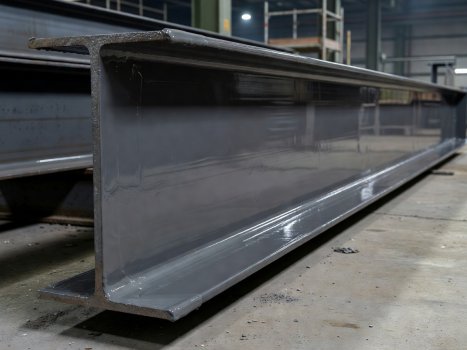
Epoxy coatings are the workhorse of the industrial protective coatings industry. Composed of an epoxy resin and a polyamine or polyamide hardener, these two-component systems cure through an exothermic chemical reaction rather than solvent evaporation, creating a tightly cross-linked polymer network.
Key Characteristics
The fundamental advantage of epoxy formulations lies in their mechanical strength and chemical resistance. Facility managers specify epoxies to prevent corrosion in aggressive environments.
- Exceptional Adhesion: Epoxies bond aggressively to properly prepared steel and concrete substrates.
- Chemical Resistance: Highly resistant to alkalis, acids, solvents, and petroleum products.
- Moisture Tolerance: Specific formulations (surface-tolerant epoxies) can be applied to damp surfaces or cure underwater.
- High Film Build: Many epoxies can be applied in single coats exceeding 200 microns (8 mils) Dry Film Thickness (DFT).
Limitations
While structurally robust, epoxies possess a distinct weakness: UV degradation. When exposed to direct sunlight, epoxy coatings undergo "chalking"—a process where the surface degrades into a fine white powder. While this rarely affects the anti-corrosive properties of the underlying film, it compromises aesthetic appearance and reduces total film thickness over decades. Therefore, exterior epoxies are almost always overcoated with a UV-stable polyurethane.
| Epoxy Variant | Primary Application Environment | Typical Volume Solids |
|---|---|---|
| Polyamide Epoxy | Atmospheric structural steel, moderate chemical exposure | 60% - 70% |
| Phenolic Epoxy (Novolac) | Tank linings for harsh chemicals and high temperatures | 70% - 100% |
| Coal Tar Epoxy (Legacy) | Underground piping, marine immersion (mostly phased out due to toxicity) | 70% - 80% |
| 100% Solids Epoxy | Floor coatings, confined space applications (zero VOC) | 100% |