High-Temperature Coatings
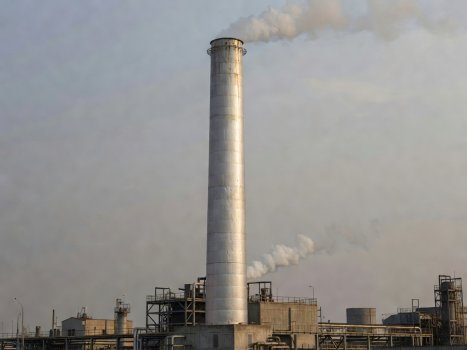
Standard industrial epoxies and polyurethanes begin to chemically break down and char at temperatures exceeding 120°C to 150°C. For industrial assets subjected to extreme thermal stress—such as exhaust stacks, boilers, pipelines, and exterior engine components—specialized heat-resistant coatings are mandatory.
Silicone Resin Technology
The backbone of most high-temperature coatings is silicone resin. Unlike carbon-based polymers, the silicon-oxygen bonds in silicone resins possess a much higher dissociation energy, allowing them to remain stable at significantly higher temperatures.
- Modified Silicones: Blended with acrylics or alkyds. Designed for moderate heat exposure (200°C - 300°C). They air cure rapidly but offer less maximum heat resistance.
- 100% Pure Silicones: Capable of withstanding continuous dry heat up to 600°C (1,112°F). However, many pure silicone coatings require a "heat cure" to achieve full mechanical properties—they remain relatively soft until the equipment is brought up to operating temperature.
Corrosion Under Insulation (CUI)
A specific and insidious problem in heavy industry is Corrosion Under Insulation (CUI). Pipelines operating at elevated temperatures are often wrapped in thermal insulation. If water breaches the external cladding, it becomes trapped against the hot steel, accelerating corrosion aggressively.
Specialized high-temperature coatings, particularly multi-polymeric matrix formulations and thermal spray aluminum (TSA), are specified under insulation to withstand boiling water conditions and extreme thermal cycling without failure.