Zinc-Rich Primers
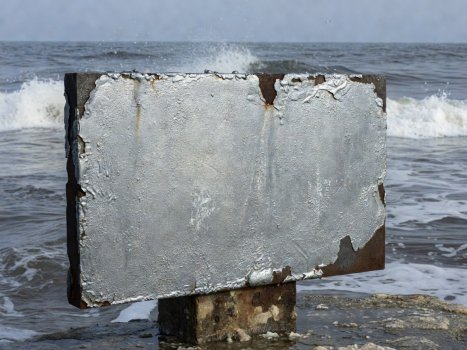
Unlike barrier coatings (epoxies) which physically seal the substrate from moisture and oxygen, zinc-rich primers actively protect steel through a principle called galvanic sacrifice (or cathodic protection).
The Mechanism of Galvanic Protection
Zinc is a more electrochemically active metal than iron. When a zinc-rich coating is applied directly to bare steel, and moisture inevitably penetrates the coating system, the zinc acts as an anode and sacrifices itself (corrodes) to protect the steel (the cathode). As long as sufficient metallic zinc remains in contact with the steel, the steel will not rust, even if the coating film is scratched down to the bare metal.
Types of Zinc Primers
There are two primary binders used to hold the zinc dust to the surface:
Inorganic Zinc (IOZ)
Utilizes a silicate binder. Forms a chemical bond with the steel substrate, creating an incredibly hard, heat-resistant (up to 400°C) primer. However, it requires a near-perfect surface preparation (SP-10 minimum) and relies on atmospheric moisture to cure.
Organic Zinc (OZ)
Utilizes an organic binder, typically epoxy or urethane. While slightly less durable than IOZ and offering lower heat resistance, it is much easier to apply, more tolerant of minor surface preparation defects, and topcoats much easier without "mud-cracking."
Topcoating Zincs
Topcoating inorganic zinc primers can be notoriously difficult. The porous nature of the IOZ film traps air. When a wet topcoat (like epoxy) is applied, the solvents penetrate the pores, displacing the air which bubbles up through the wet film, resulting in pinholes. Applicators often apply a highly thinned "mist coat" or "tie coat" to seal the pores before applying the full topcoat to prevent this defect.